A short history of women's clubs
Refused a ticket to dinner with Dickens, women built clubs of their own. Some are still going. The men's clubs took rather longer.
- By
- The Index
- Published
- Length
- 4 minute read
In 1868 the New York Press Club gave a dinner for Charles Dickens at Delmonico's. Women were refused tickets. Jane Cunningham Croly, a journalist who wrote as Jennie June, did not argue the point. She founded a club. Sorosis, as she called it, is described as the first professional women's club in the United States, and within a generation its example had inspired women's clubs across the country. In 1890 an invitation from Sorosis to other clubs led to the founding of the General Federation of Women's Clubs, which is a fair return on one refused dinner ticket.
That is the pattern of this history. Women were not, on the whole, let into the old clubs. So they built new ones, and many of those turned out rather well.
London, 1880s
Late Victorian London had a burst of women's clubs: the Alexandra Club, the Pioneer Club, the Ladies' Institute and the Ladies' Athenaeum among them. Most are gone. One single-sex survivor remains.
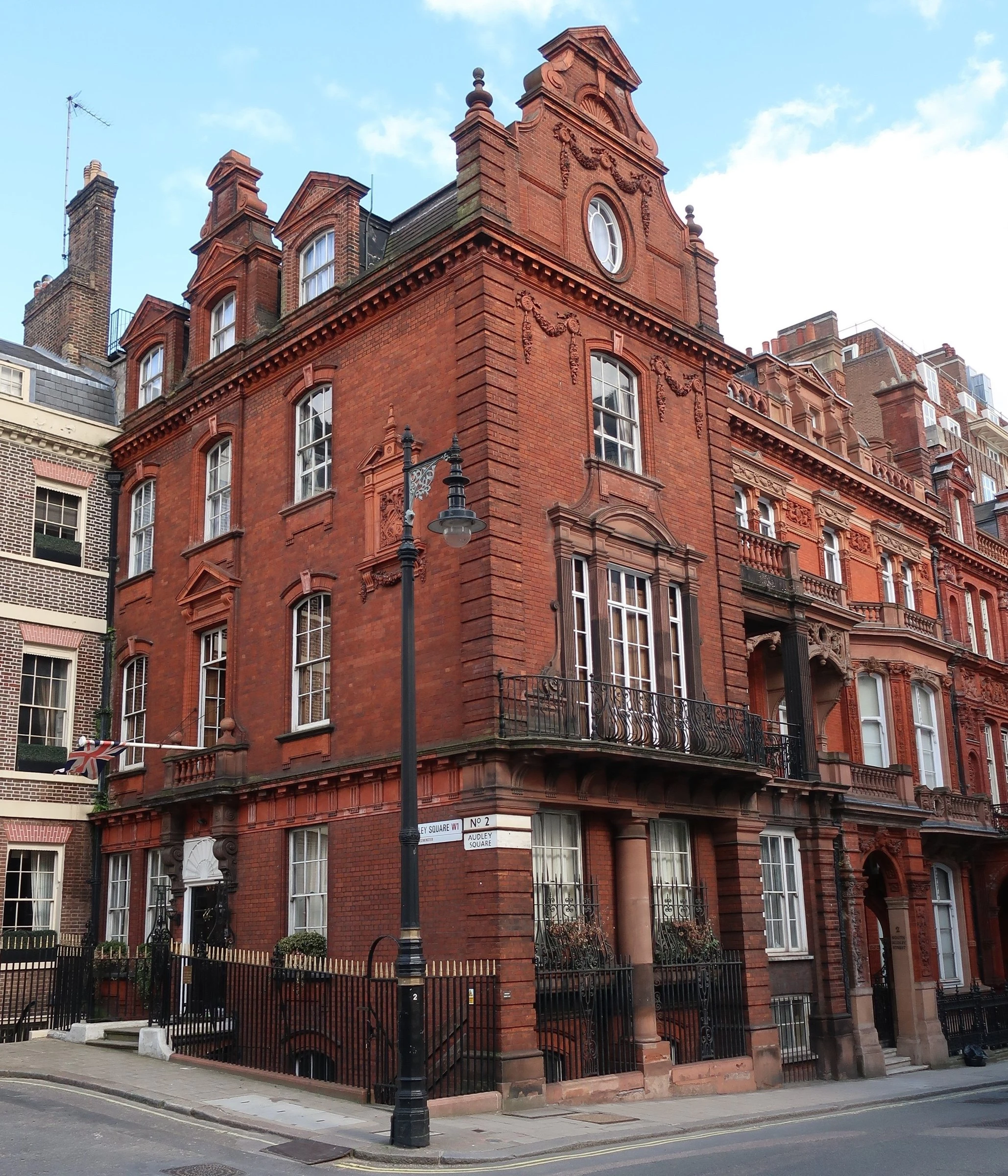
The University Women's Club, register No. 210 began with a meeting in 1883 at the Portland Place home of Gertrude Jackson, a Girton graduate, and was formally founded in 1886 as the University Club for Ladies. Early members had to be university graduates or medically qualified. The club took its present name in 1921, the same year it bought 2 Audley Square in Mayfair, where it still lives. Candidates are proposed and seconded, exactly as at any club on Pall Mall.
The Lyceum Club followed, founded in London by Constance Smedley around 1903 at 128 Piccadilly, for women working in literature, journalism, art, science and medicine. Its first chairman was Lady Frances Balfour and Millicent Fawcett was an early member. Sister clubs opened in Berlin, Paris and Florence, and the international association still has members today, among them the Lyceum Club in Melbourne.
New York, by and for women
In 1903 Florence Jaffray Harriman founded the Colony Club, which describes itself as the first social club in New York established by and for women. Anne Morgan, a daughter of J. P. Morgan, helped her raise the money. The first clubhouse on Madison Avenue was by Stanford White, with interiors by Elsie de Wolfe. The club moved in 1916 to Park Avenue, into a house by Delano & Aldrich, the firm behind the clubhouses of the Knickerbocker and the Union. The women got the same architect, and a better address.
Women were not, on the whole, let into the old clubs. So they built new ones, and many of those turned out rather well.
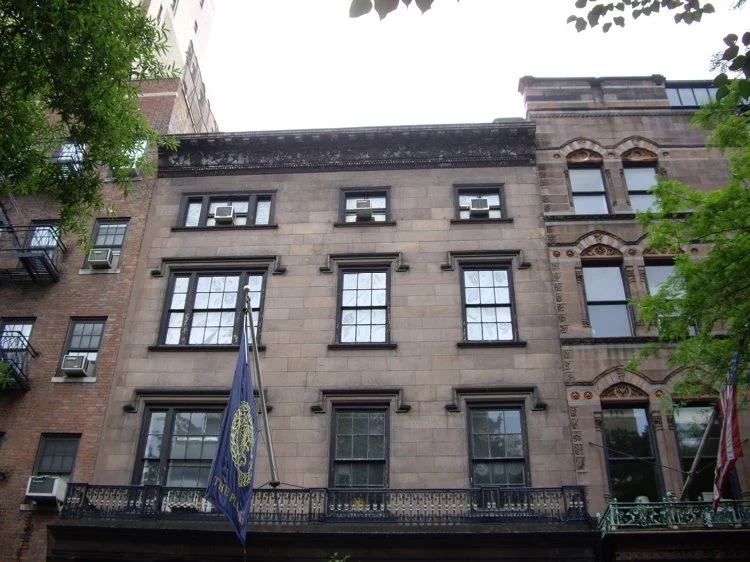
The Cosmopolitan Club began in 1909, improbably, as a club for governesses. By 1932 it had moved to 122 East 66th Street, into a clubhouse whose architect, Thomas Harlan Ellett, won the Architectural League's gold medal for it. Its stated purpose is a place "where women of accomplishment enjoy each other's company". The membership has included Willa Cather, Ellen Glasgow, Eleanor Roosevelt, Pearl Buck, Marian Anderson, Helen Hayes, Margaret Mead and Abby Aldrich Rockefeller, which would make a respectable faculty, a cabinet and a gallery board.
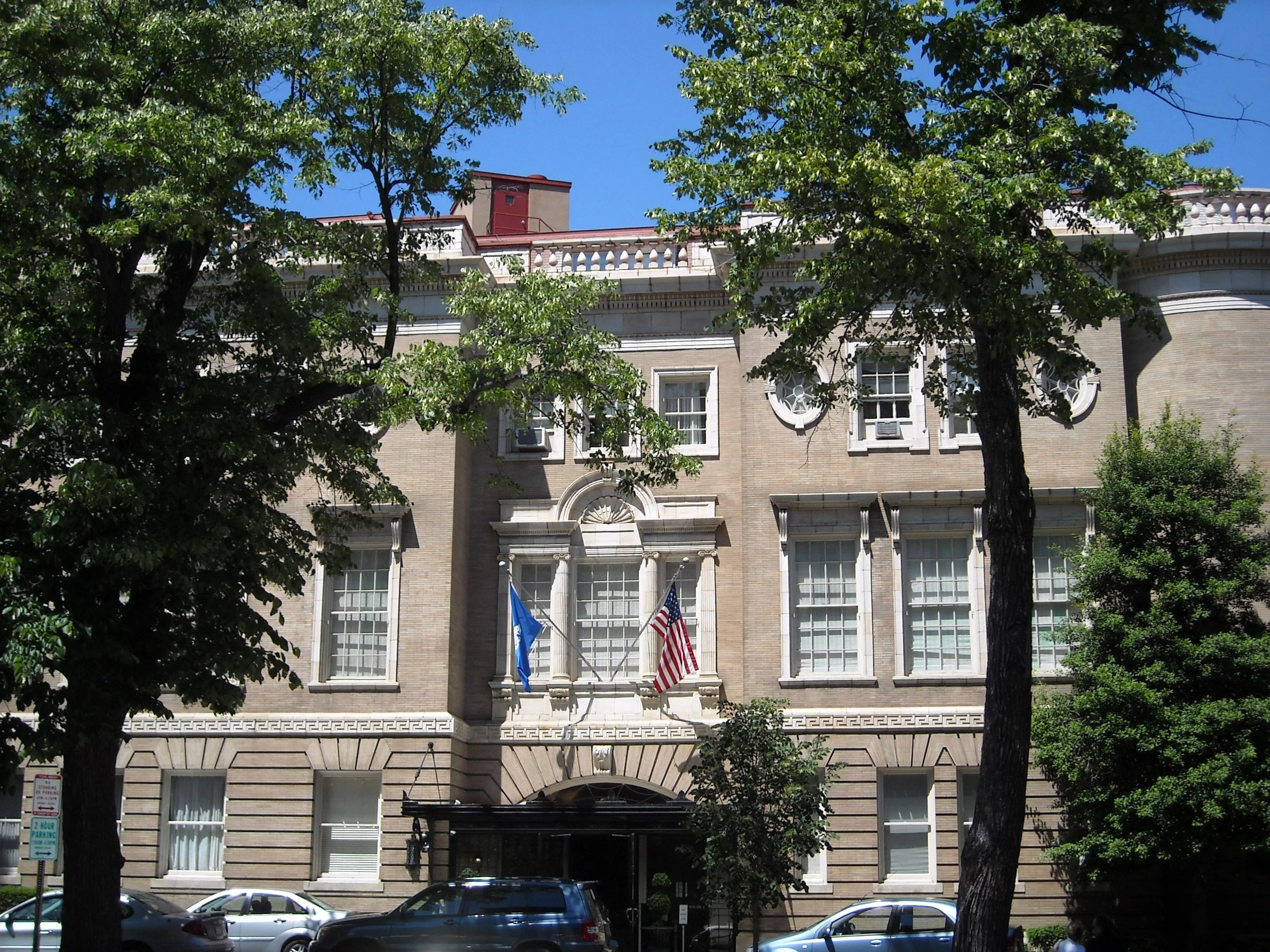
Florence Harriman was not finished. In 1932, in the depths of the Depression, she was among twenty women, led by Mabel Thorp Boardman, who founded the Sulgrave Club, register No. 592 in Washington, in a Beaux-Arts mansion on Dupont Circle. It still keeps a waiting list.
The other door opens, slowly
Meanwhile the men's clubs debated, voted and debated again. A few dates tell the story.
- The Yale Club of New York City has admitted women since 1969.
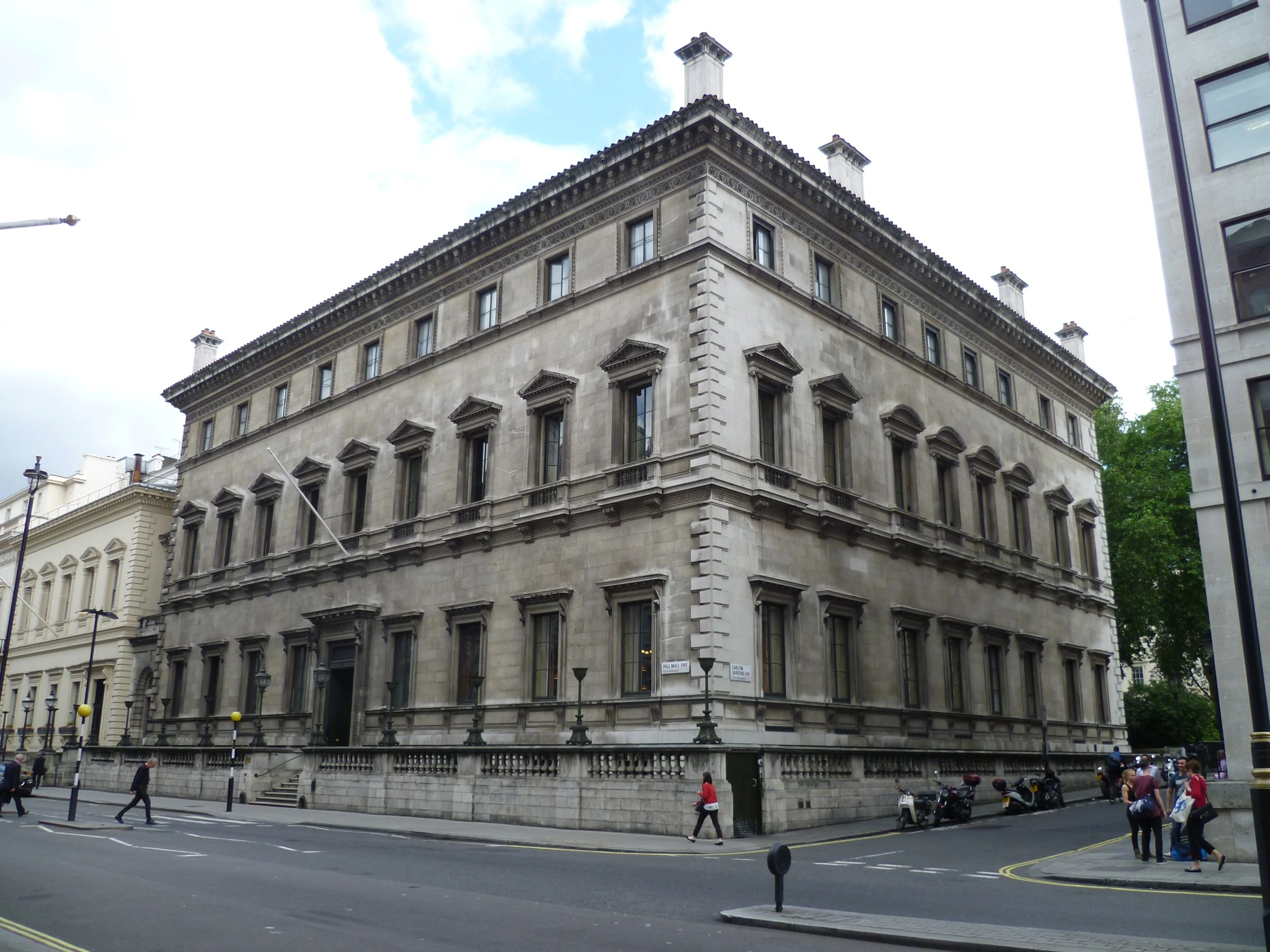
- The Reform Club, register No. 045 admitted women on equal terms in 1981.
- The Players, register No. 620 voted to admit women in 1987; Helen Hayes became its first woman member in 1989.
- The Century Association admitted women in 1988, after a city investigation into sex discrimination.
- In Hong Kong, the Hong Kong Club was eventually obliged to admit women by the Sex Discrimination Ordinance, in force from 1996.
- The Athenaeum voted in 2002 to admit women on the same terms as men.
- The Carlton Club, register No. 040, where Margaret Thatcher had been an honorary member since 1975, gave women full membership in 2008.
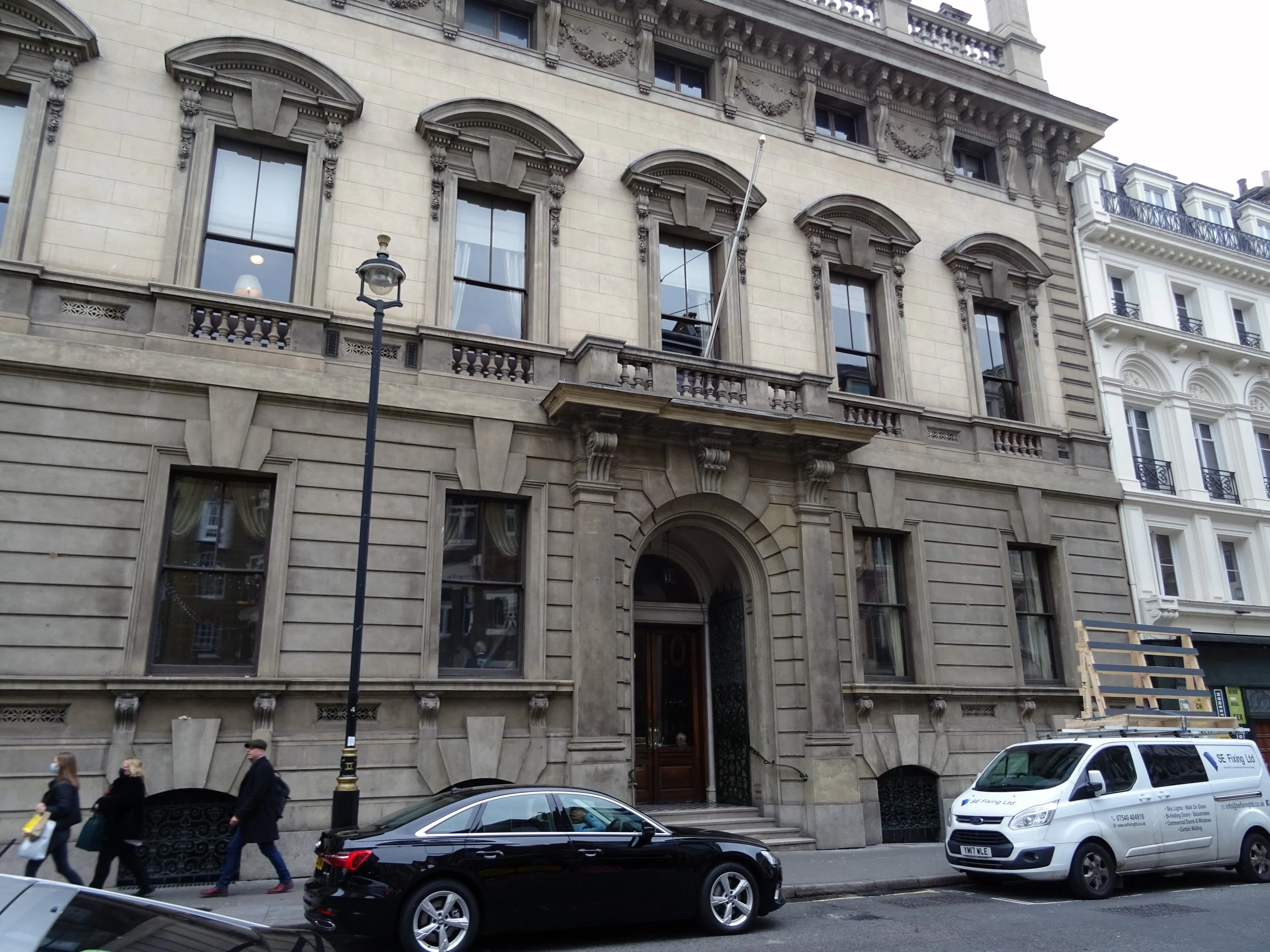
The most recent, and most reported, was the Garrick, register No. 039. In May 2024, after months of public pressure, its members voted to admit women for the first time in the club's 193-year history. Dame Judi Dench and Dame Siân Phillips were named its first women members that summer.
Where things stand
Some London clubs remain for men only. White's is a club for gentlemen, a position that cost it David Cameron's membership in 2008. The Travellers Club, register No. 027 does not admit women either; in 2014 the Archbishop of Canterbury said he would resign over it. And the University Women's Club, the last of its Victorian generation, remains for women.
The modern picture is more varied than the old one. Many newer women's clubs organise themselves around work and professional networks rather than drawing rooms. The old ones, built when a woman could not get a ticket to dinner, are mostly still here, which says something about how well they were built.
Sources
- Sorosis, Wikipedia
- Gentlemen's club, Wikipedia
- University Women's Club, Wikipedia
- International Association of Lyceum Clubs, Wikipedia
- Colony Club, Wikipedia
- Knickerbocker Club, Wikipedia
- Union Club of the City of New York, Wikipedia
- Cosmopolitan Club (New York City), Wikipedia
- Sulgrave Club, Wikipedia
- Reform Club, Wikipedia
- Athenaeum Club, London, Wikipedia
- Carlton Club, Wikipedia
- Century Association, Wikipedia
- The Players (New York City), Wikipedia
- Members of London's Garrick Club agree to let women join for first time, Al Jazeera
- Judi Dench and Siân Phillips become first women members of the Garrick Club, LBC
- Hong Kong Club, Wikipedia
- White's, Wikipedia
- Travellers Club, Wikipedia