Reciprocal clubs, explained
How a member in Melbourne ends up reading the papers in Pall Mall, and the small print that comes with the armchair.
- By
- The Index
- Published
- Length
- 4 minute read
Every club has a front door. The better ones also have a side door, which opens only for members of other clubs. This is reciprocity: an arrangement between two houses that lets a member of one use the other when travelling. It is the most useful privilege in club life and the least understood, so here is how it works.
The principle
Two clubs agree to extend courtesies to each other's members. Usually both are in different cities, so neither is giving away its own regulars' tables. A member of a club in Melbourne visiting London can dine at a club on Pall Mall; a member of that club can do the same in Melbourne. Nobody pays a joining fee. Nobody is elected. The visitor borrows a seat on the strength of having been elected somewhere else.
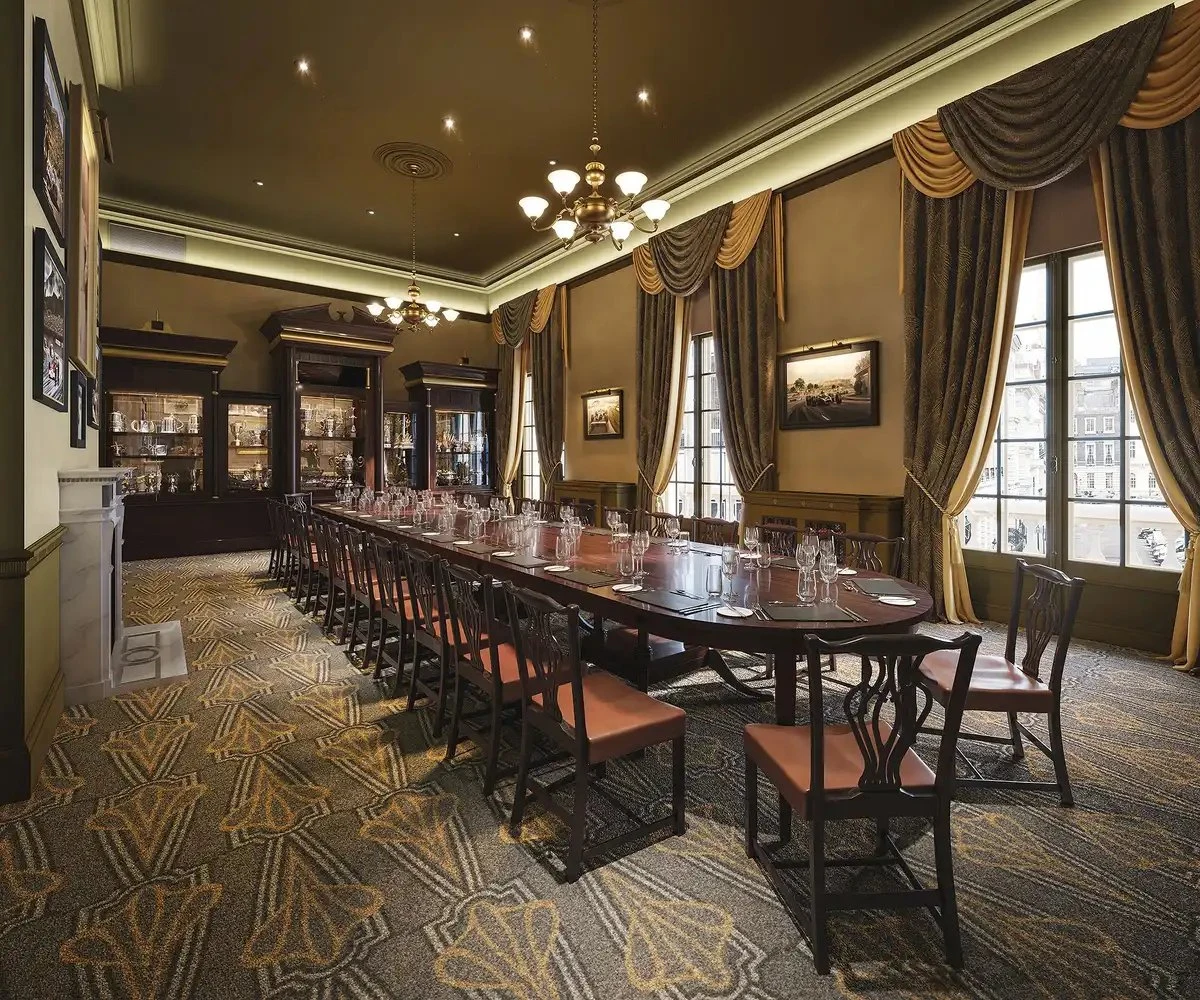
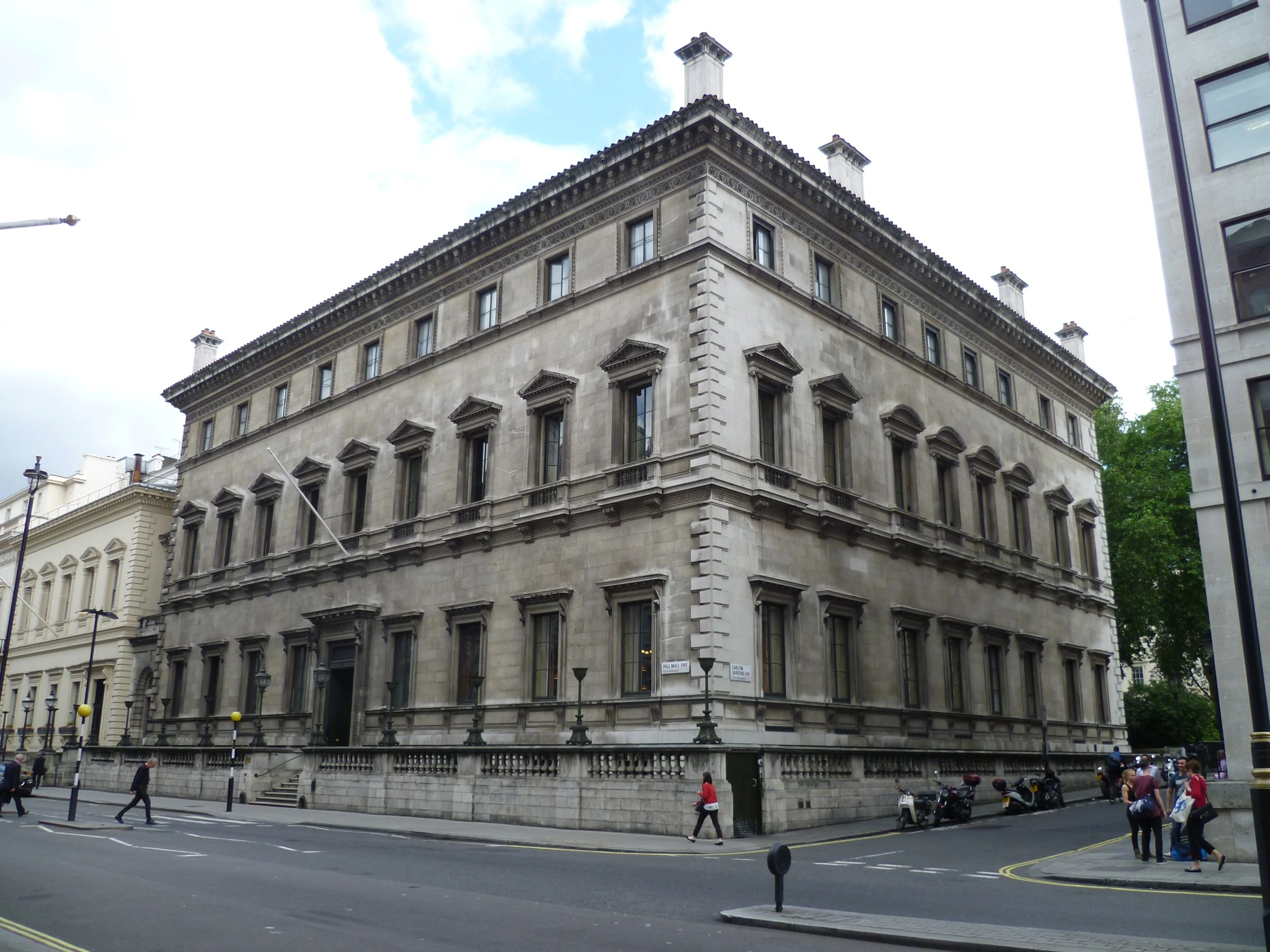
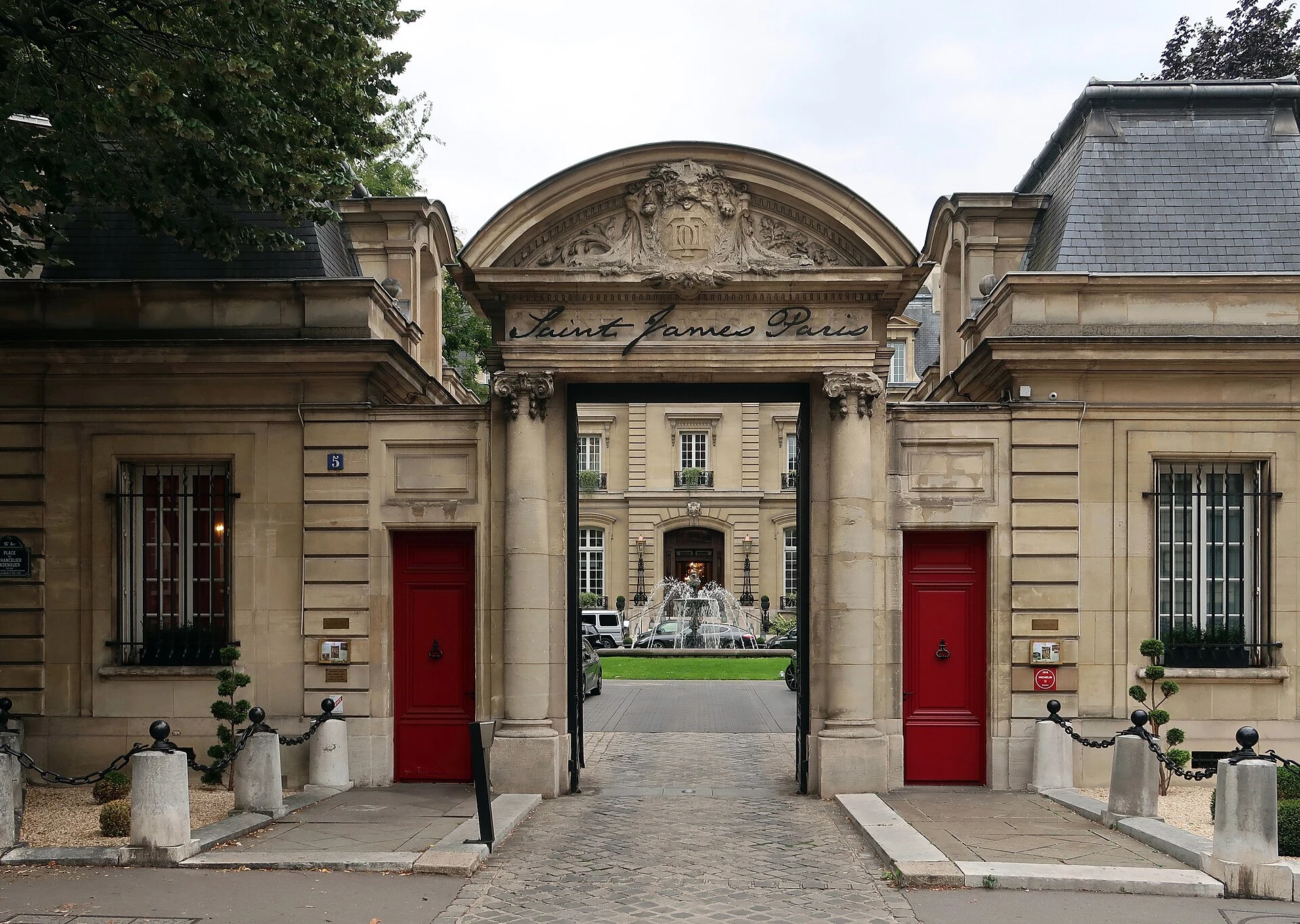
The scale can be considerable. The Royal Automobile Club, register No. 264 says it has arrangements with more than eighty reciprocal clubs worldwide, and welcomes their members to both its Pall Mall clubhouse and its country club at Woodcote Park. The Reform Club, register No. 045 offers reciprocal memberships with similar clubs around the world, and around 500 of its roughly 2,700 members live overseas, which tells you how international a Pall Mall club can be. The Tanglin Club in Singapore lists reciprocal partnerships with more than 130 clubs, and the Saint James, register No. 547 in Paris has been reported to have nearly 150.
The letter of introduction
The key to the side door is a letter. Your own club writes to the host club, confirms that you are a member in good standing, and names the dates of your visit. The Royal Automobile Club asks for exactly this, approved by its membership team before you can book. On arrival you show the letter, a valid membership card and proof of identity, and you receive a temporary card for the length of your stay. It is a small piece of plastic with a great deal of history behind it: a stranger, vouched for by another committee in another city, allowed through the door on trust.
The Melbourne Cricket Club, which has reciprocal arrangements with eight overseas clubs, describes the same choreography from the other end. Its members apply for a letter, which is then emailed for presentation at the host club. Access, it adds, is not guaranteed, and visitors should not behave as residents.
The visitor borrows a seat on the strength of having been elected somewhere else.
The small print
Reciprocity is a courtesy, not a right, and the conditions say so.
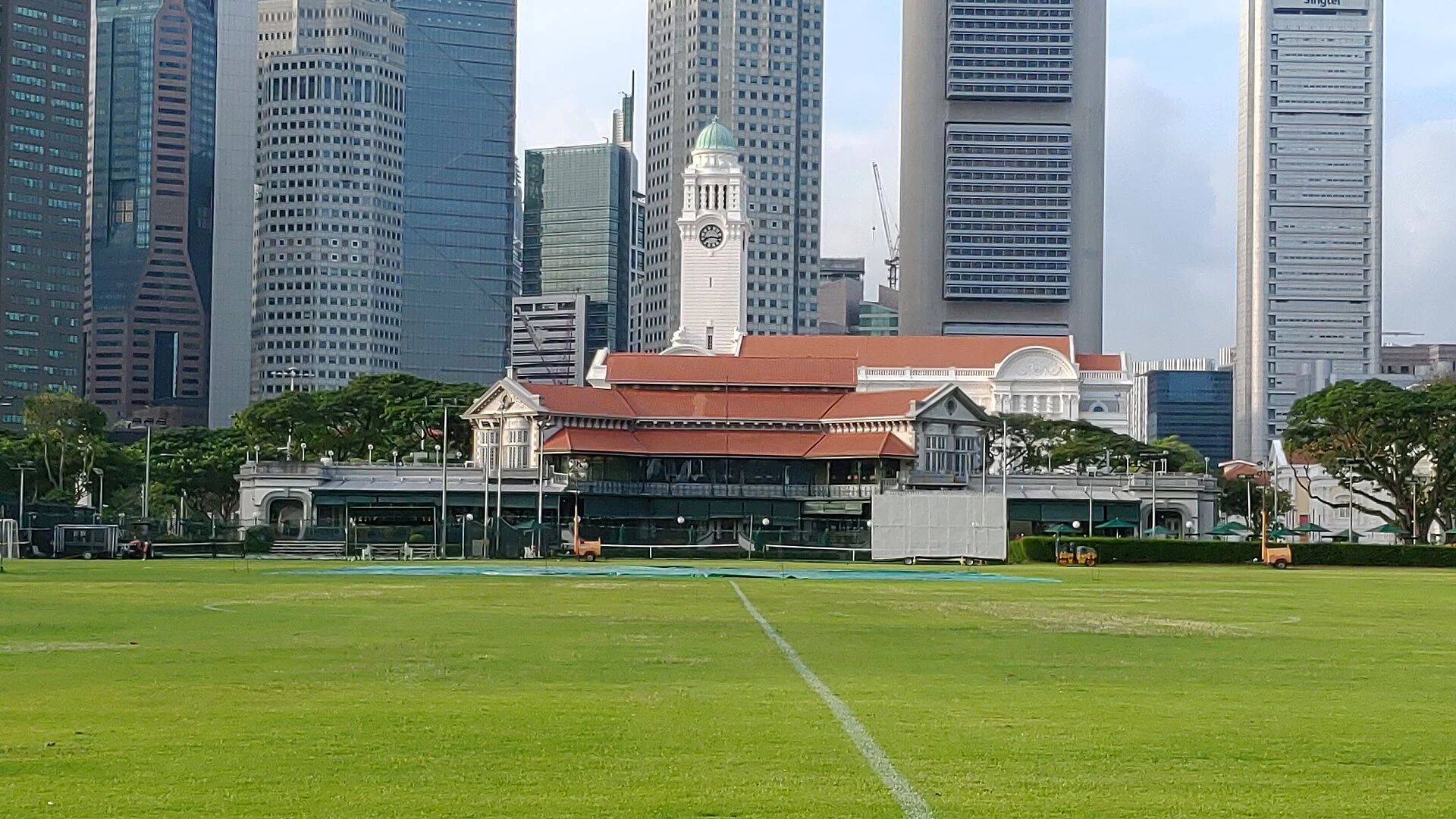
- Time limits. Visits are capped. The Melbourne Cricket Club gives a general maximum stay of three months at overseas clubs, and the Singapore Cricket Club, register No. 075 allows visits totalling no more than a month in a calendar year. The Cricket Club of India in Mumbai limits accommodation visits to thirty days a year.
- No chaining. Being welcome at one club does not make you welcome at its friends. Singapore's agreement says plainly that it gives a visiting member no access to any other club with which the host has an arrangement.
- Settle up before you leave. Visiting members must settle all charges and accounts before they leave the host club. The host club accepts no liability for what a visitor leaves unpaid.
- The house rules apply to you. A visitor follows the host's rules and bye-laws, including its dress code. At The New Club in Edinburgh, a jacket and tie is required in the Main Dining Room at all times apart from breakfast, whatever day you arrive.
- Charges may apply. The Royal Automobile Club notes that restrictions and charges can apply, including a daily charge for its sports facilities.
Sporting clubs, and the long reach
Some of the most generous networks belong to sporting clubs. The Melbourne Cricket Club's overseas list reads like a tour itinerary: Marylebone Cricket Club at Lord's, the Singapore Cricket Club, the Hong Kong Cricket Club, the Cricket Club of India and the Royal Bangkok Sports Club among them. A member with the right letter can find a familiar pavilion on three continents.
How to use it well
Ask your own club's office first. It holds the list, knows which arrangements are current, and will tell you if a host has particular requirements. Book through the host, not through your own club. Arrive with the letter on paper as well as on your phone. Dress for the strictest room you might walk into. And behave as though your own club's name is on your back, because, as far as the porter is concerned, it is.
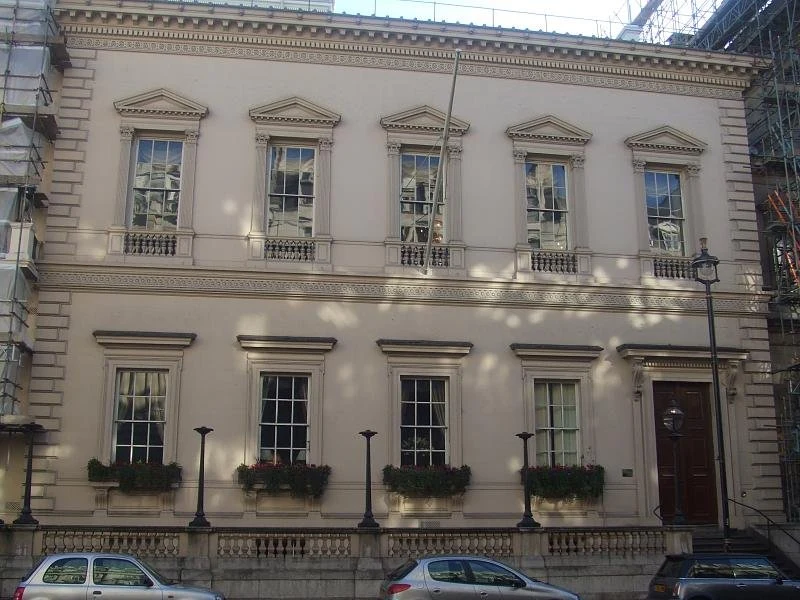
The Travellers Club, register No. 027 on Pall Mall, founded in 1819 for men who had journeyed at least five hundred miles from London, still keeps reciprocal arrangements with clubs around the world. Two centuries on, that remains the whole idea. The club is your home, and when you travel, other clubs agree to treat you as though it were theirs.
Our register notes reciprocity where a club's arrangements are on the record. Lists change, so the final word always belongs to your own club's secretary.
Sources
- Reciprocal clubs, Royal Automobile Club
- Overseas clubs: reciprocal club rights, Melbourne Cricket Club
- Reform Club, Wikipedia
- Travellers Club, Wikipedia
- Tanglin Club, Wikipedia
- Saint James Paris: so British, Luxe Magazine
- Dress code, The New Club, Edinburgh