The rise of the hotel club
Bedrooms upstairs, members downstairs. How a Paris mansion, a Soho townhouse and a Manhattan ferry terminal rewrote the private club.
- By
- The Index
- Published
- Length
- 4 minute read
Plenty of traditional clubs keep bedrooms, but as a convenience: somewhere for a member in town for a night or two. The club was the drawing room. The bed came with it.
The hotel club turns that around. The building is a hotel, open to anyone with a reservation. Inside it, behind one more door, is a club. Guests may borrow some of the club's rooms while they stay; members have the run of the place whether they stay or not. The bedrooms pay for the drawing room, and the drawing room makes the bedrooms worth booking.
A Paris mansion, a London club
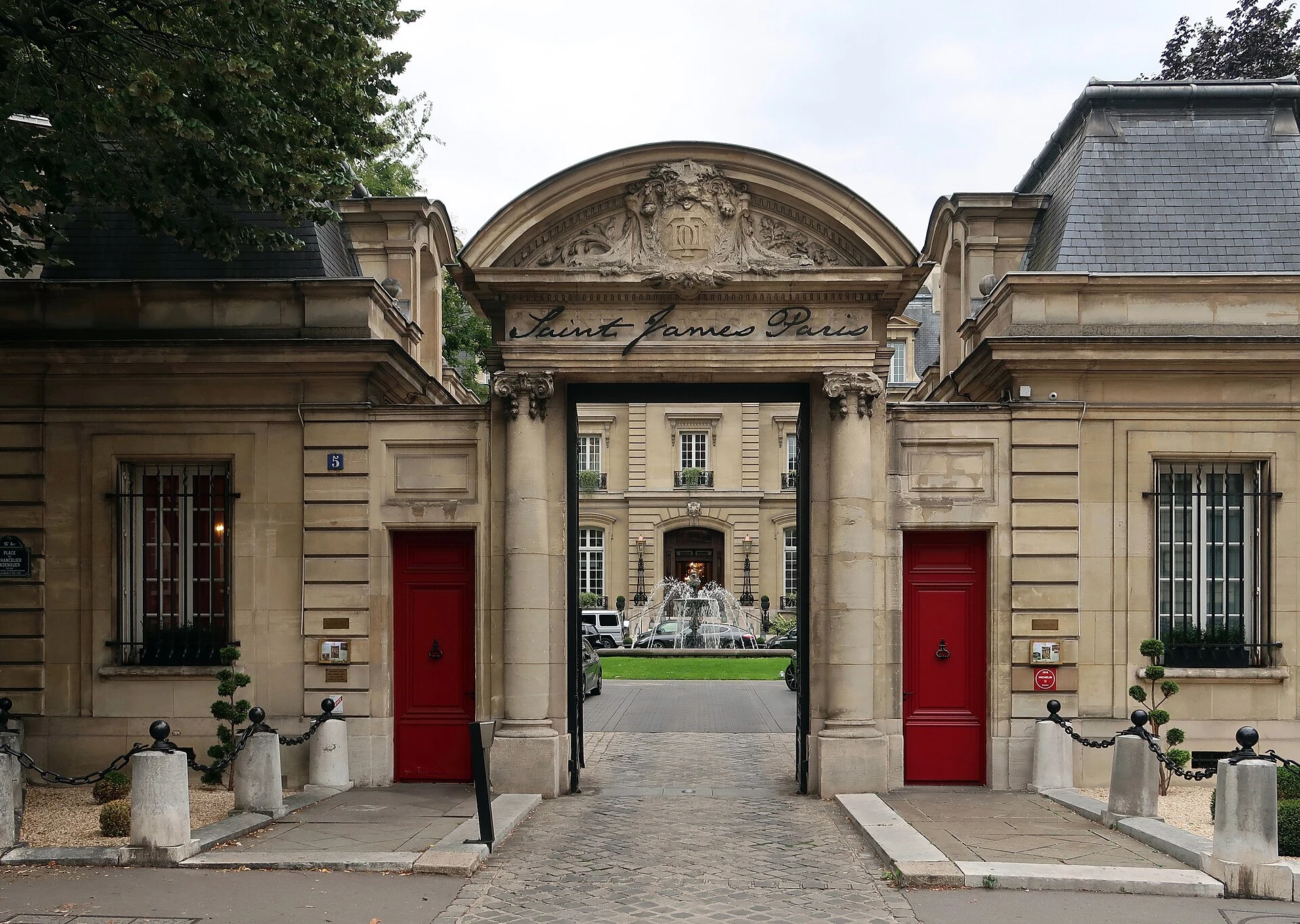
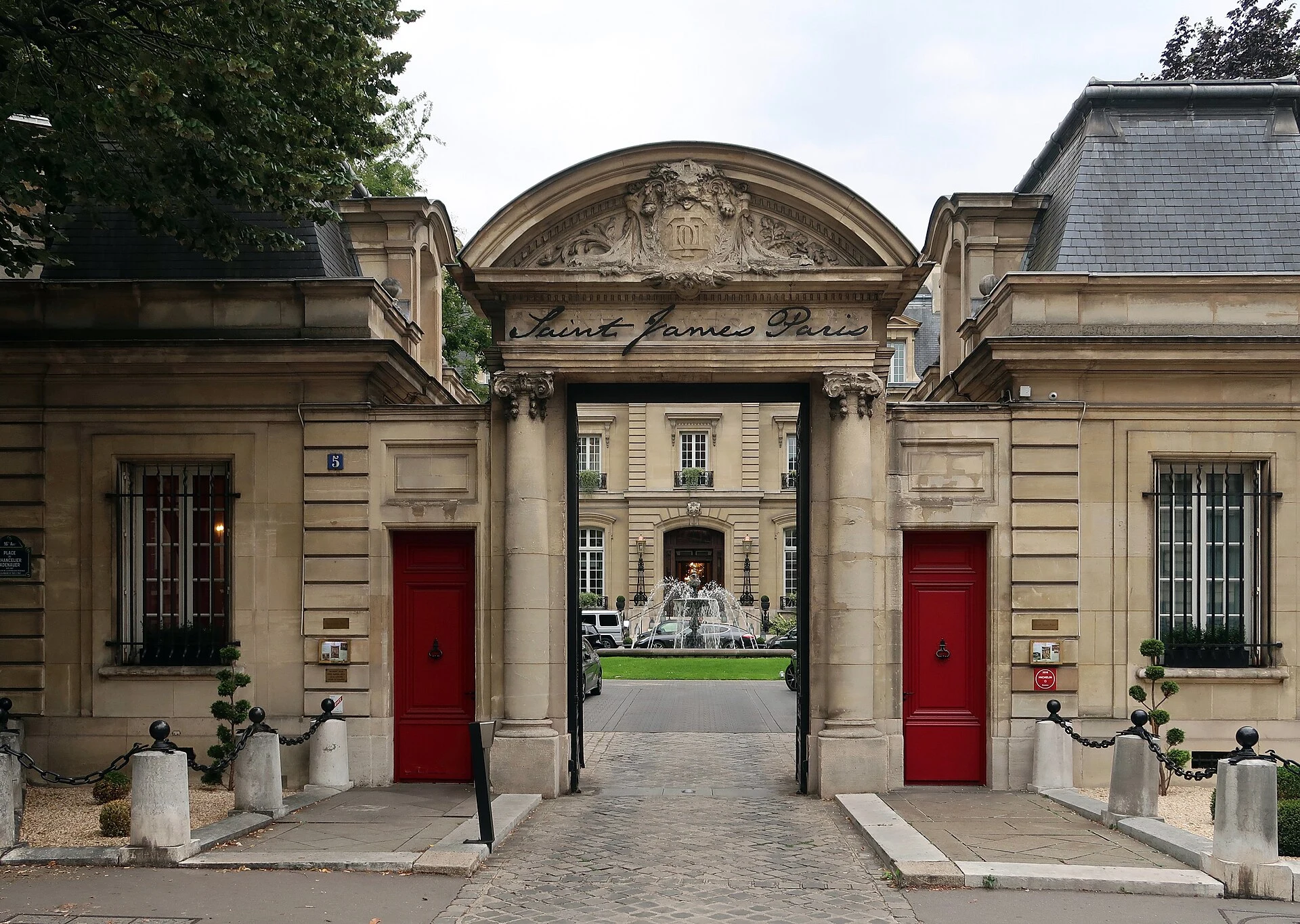
One of the earliest and most charming examples is in Paris. In 1892 the widow of President Adolphe Thiers built a neoclassical mansion in the 16th arrondissement, on ground that had once been a field for hot-air balloons. For most of the twentieth century it housed scholarship students of the Fondation Thiers. In 1985 it became the Paris house of the Saint James Club, an English-style private club, and in the 1990s it was partly converted into a hotel.
The Saint James Paris, register No. 547 still works this way. It is a members' club that also runs as a hotel for members and outside guests, and guests may use the club's rooms. The old wood-panelled library of the Thiers era is now the bar, and the club keeps reciprocal arrangements with nearly 150 affiliated clubs around the world, so a member arriving from New York or Hong Kong may well find the door already open. The decorator Bambi Sloan began remaking the interiors in 2010 in a style one critic called "crazy chic", which is accurate.
The bedrooms pay for the drawing room, and the drawing room makes the bedrooms worth booking.
From Greek Street to the countryside
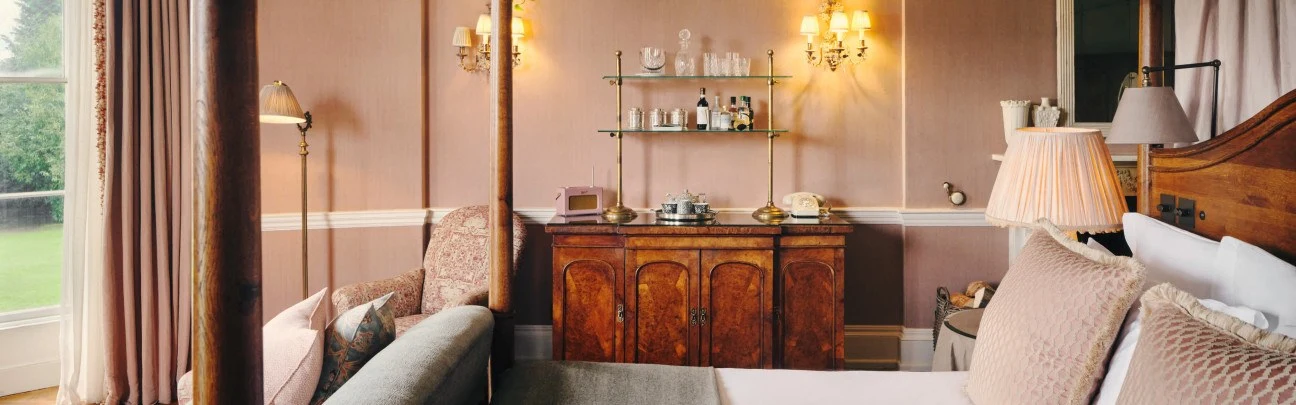
The model that changed the market came from London. Nick Jones opened Soho House in 1995 on Greek Street, above his restaurant Café Bohème. It was meant to favour creativity over wealth and job titles, which was rather the point. Three years later, in 1998, came Babington House, register No. 430 in Somerset: a country house with bedrooms, run as a club. Soho Farmhouse, register No. 558 in Oxfordshire followed in 2015.
From there the numbers become hard to picture. Soho House had more than 50,000 members in 2015, with a waiting list of over 30,000, and around 270,000 members across dozens of houses by 2025. The company floated on the New York Stock Exchange in 2021 as Membership Collective Group. Its house rules still say that a Membership Committee makes the final decision on who joins, and that renewals are not automatic. They also ban cameras and recording devices, and keep calls and laptops to designated areas at certain times, which is the old club etiquette in new clothes.
A bank becomes a club
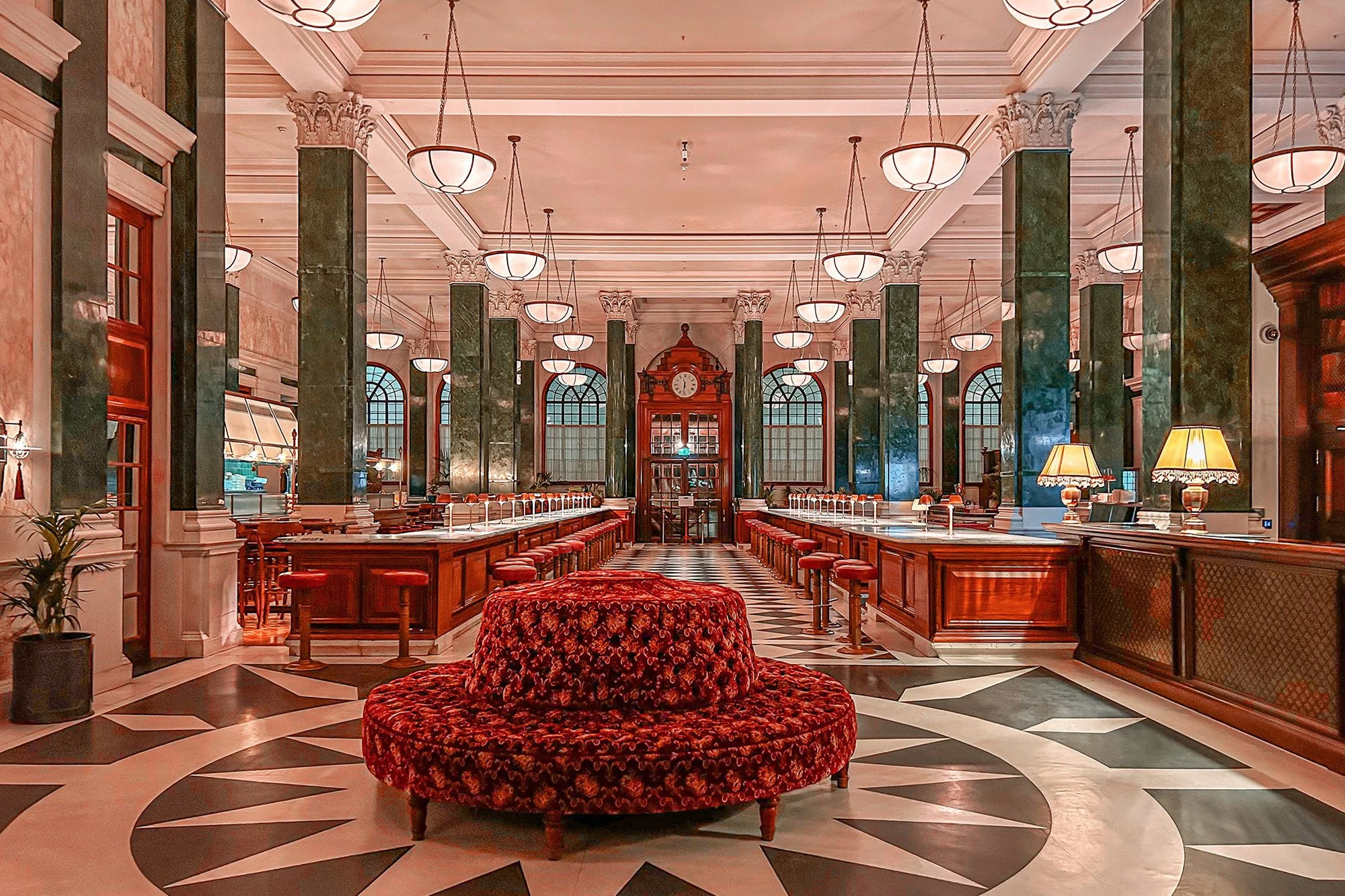
In 2017, Soho House and the New York hotel company Sydell Group opened The Ned in the former Midland Bank headquarters on Poultry, a Grade I building designed by Sir Edwin Lutyens. The hotel took its name from his nickname. It has 252 bedrooms, a rooftop pool, an oak-panelled grill room and nine restaurants under one roof, and inside it Ned's Club, register No. 519, a members' club separate from Soho House, with its own application. The headquarters of what was once the largest bank in the world now keeps a members' club in cocktails. It is hard to think of a neater reversal.
New York, from the water's edge to Fifth Avenue
In 2021 Casa Cipriani in the Battery Maritime Building, a Beaux-Arts ferry terminal at the southern tip of Manhattan, opened as a hotel with a members' club inside. It has 47 rooms, and members can book them before the public.
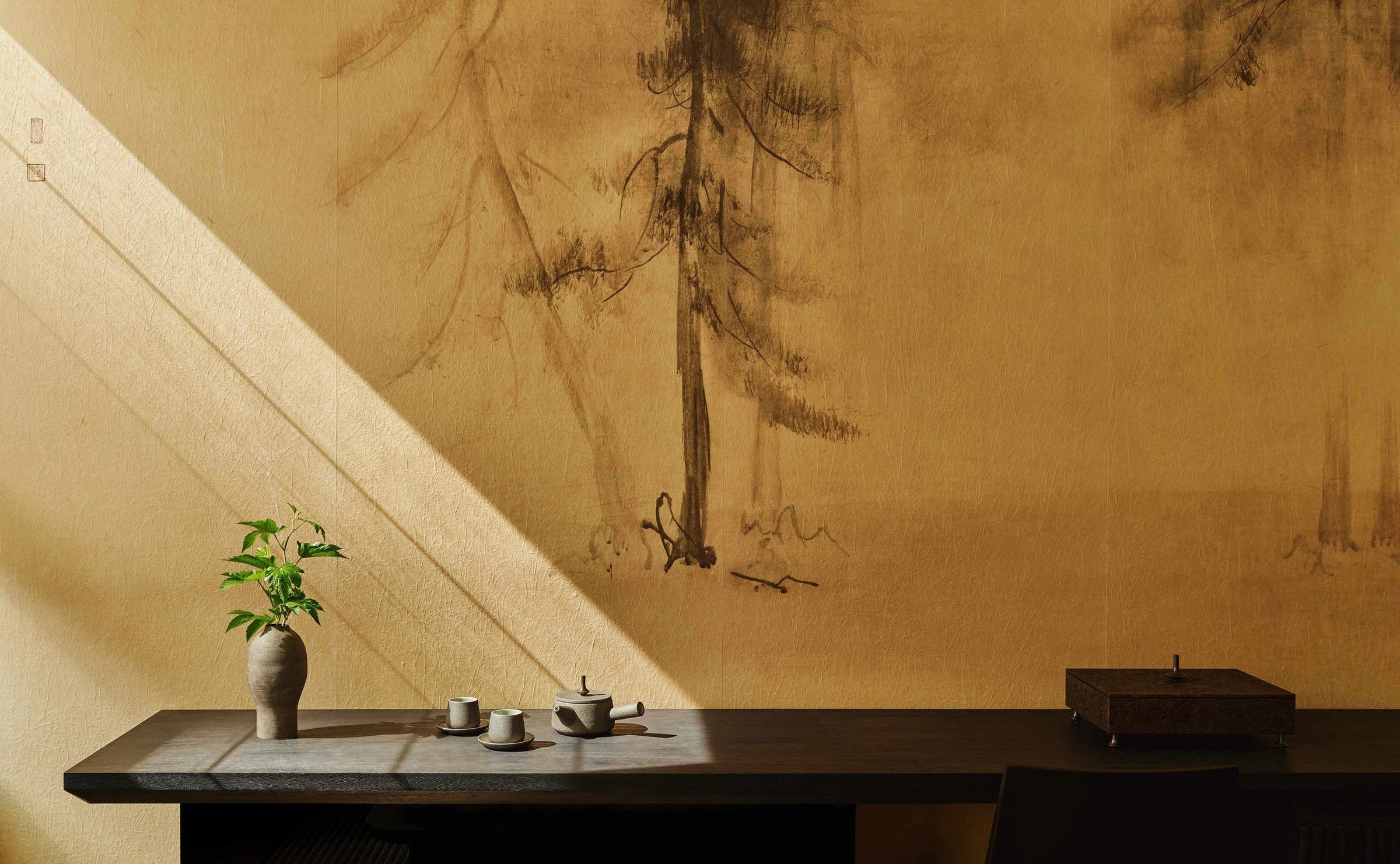
A year later Aman opened Aman New York in the Crown Building at Fifth Avenue and 57th Street, with a private club, the Aman New York Club, register No. 407, inside it. The South China Morning Post reported in 2024 a joining fee of US$200,000 and annual dues of US$15,000. Fees like these change, and clubs rarely confirm them, but the order of magnitude makes its own point.
Why it works
In principle, the hotel club solves the oldest problem in club life, which is money. A clubhouse is expensive to keep and members are not there every night. A hotel fills the building. Members who travel can find the same house in other cities. The model also sidesteps the hardest problem for a new club, which is having no history: a fine building supplies one.
It has critics. A club that sells its rooms to strangers is, to a purist, a hotel with a membership scheme. The purists have a point, and also a club on St James's Street where nobody would dream of asking for room service. Both kinds of house appear in our register. The best of the new ones have learned the oldest trick of the old ones: whatever happens in the lobby, the members' rooms stay quiet.
Sources
- Room service: crazy chic at the Hôtel Saint James Paris, France Today
- Saint James Paris: so British, Luxe Magazine
- Soho House (club), Wikipedia
- House Rules, Soho House
- Soho House and Edwards Lutyens's Midland Bank become The Ned, Dezeen
- Soho House and Sydell Group reveal plans for The Ned, Hotel Designs
- Casa Cipriani, Wikipedia
- Casa Cipriani New York, Michelin Guide
- Inside Aman Club, New York's most expensive private members' club, South China Morning Post
- Aman New York taken to new heights, Tatler Asia