How admission actually works
Proposers, seconders, the candidates' book and the little wooden box. A plain account of how clubs choose, and why nobody can buy their way past it.
- By
- The Index
- Published
- Length
- 4 minute read
There is no form you can fill in that gets you into a great club. There is a form, usually. It is simply the last thing that happens.
The process differs from house to house, and most clubs publish very little about it. But the bones are the same almost everywhere, and they have barely changed in two hundred years. A member who knows you proposes you. Another seconds you. Other members add their names. A committee decides. Somewhere along the way, someone you have never met may be asked whether they mind.
The proposer and the seconder
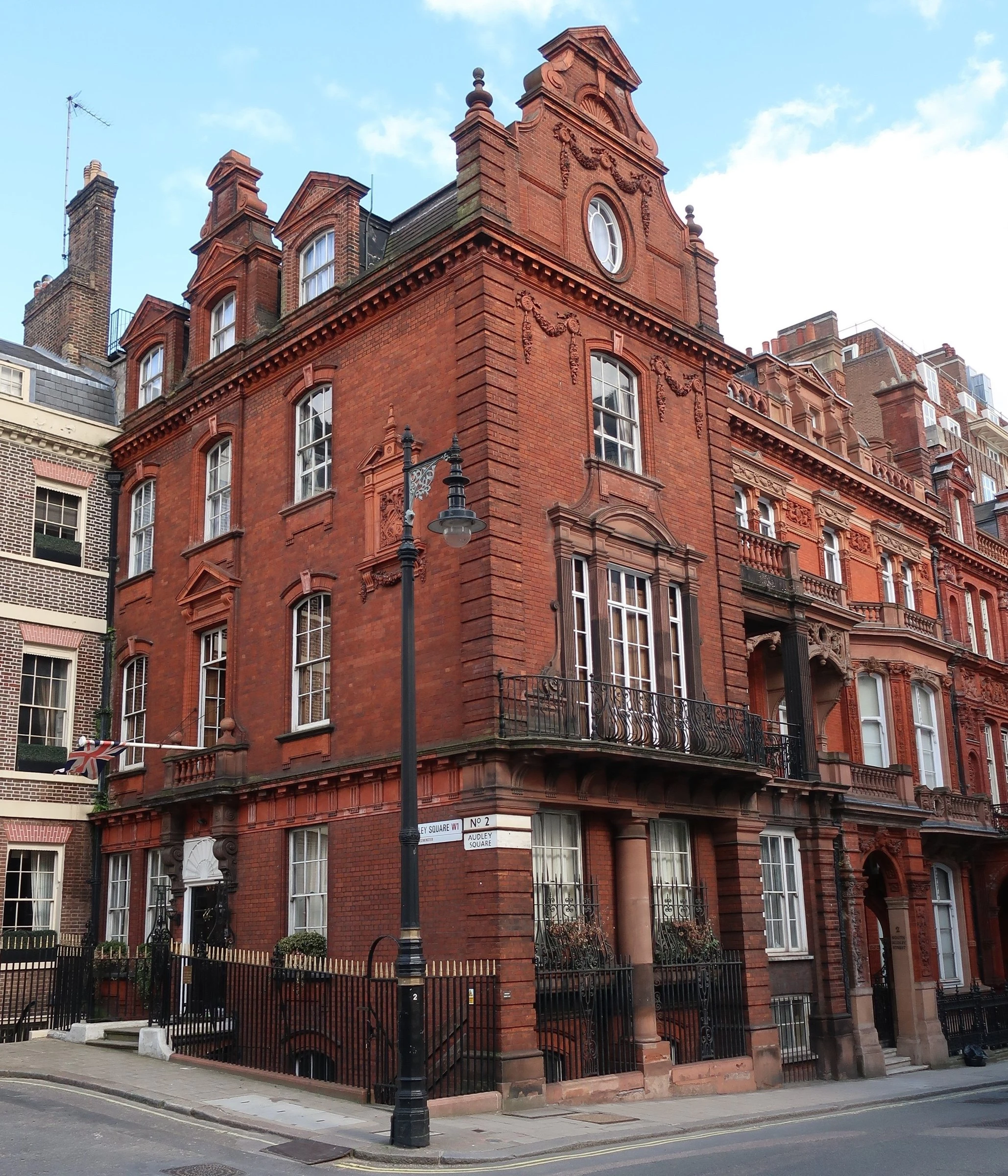
Everything begins with a member willing to put their name next to yours. At the University Women's Club, register No. 210 in Mayfair, candidates must be proposed and seconded by members in good standing. At the University Club of New York, a candidate needs a university degree, a proposal form and letters of recommendation from existing members. In Paris, the Nouveau Cercle de l'Union asks for two sponsors.
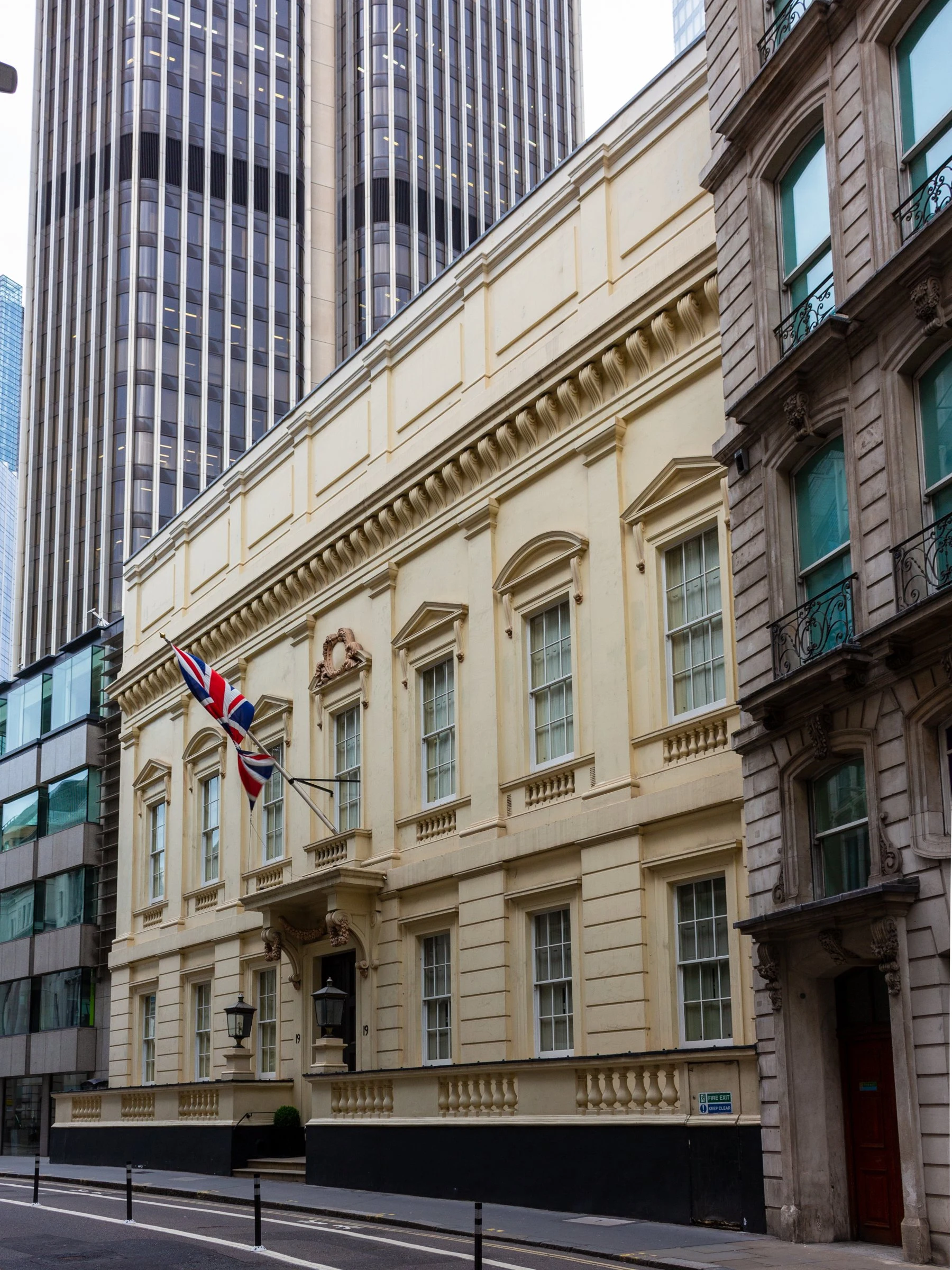
The proposer is vouching for you, and clubs say so in writing. The City of London Club, register No. 041 asks that the proposer and seconder have known a candidate personally for at least two years, and that four more members who have known them for a year add their support. Asking a near-stranger to propose you is therefore the quickest way to learn what a club's silence sounds like.
The candidates' book
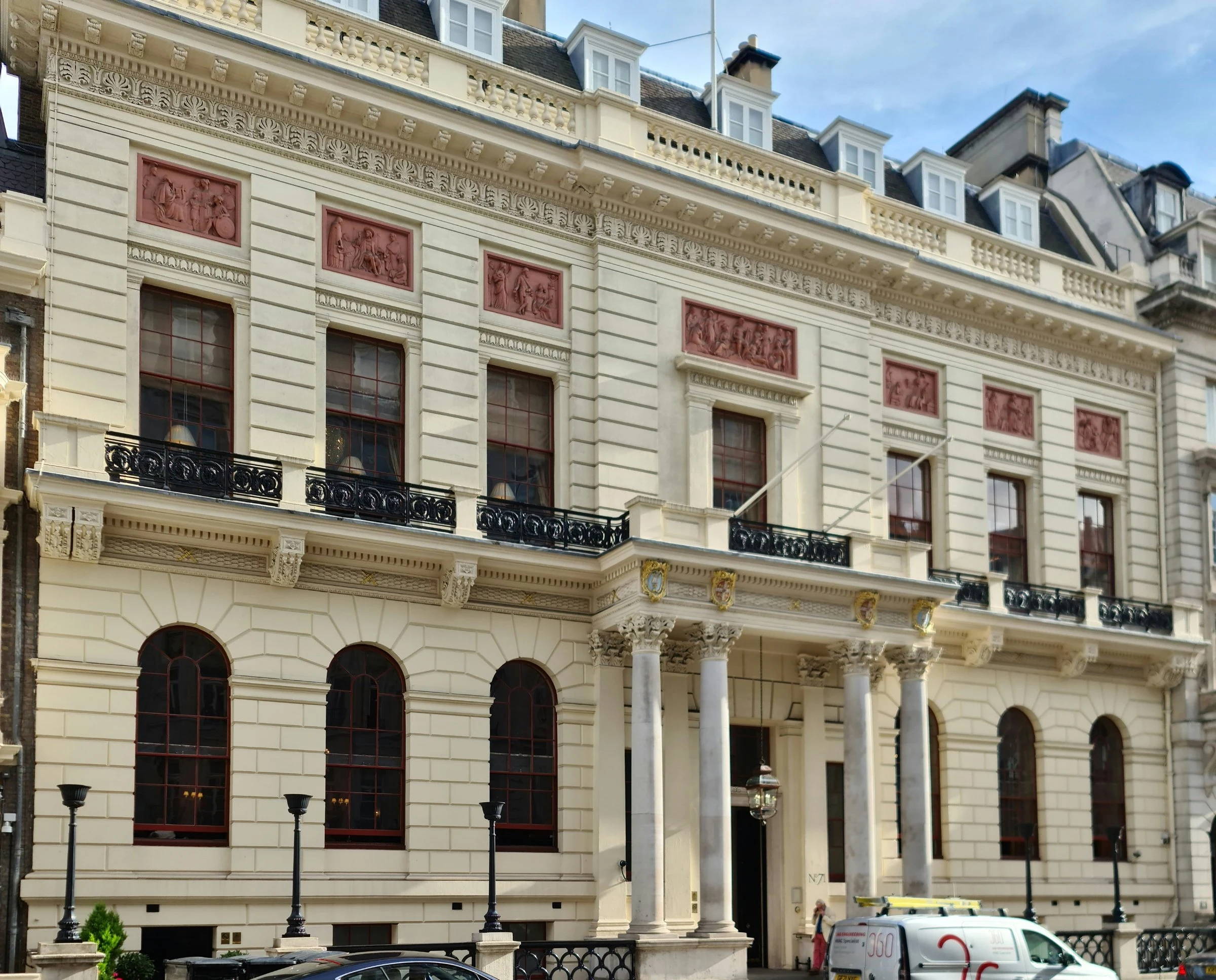
Next comes breadth. At the Oxford and Cambridge Club, register No. 038, the committee may enter a candidate's name in the candidates' book, which "gives other members an opportunity to indicate their support". The committee decides after not less than twenty clear days, and election follows about a month later, "if a place is available". That last phrase carries a great deal of weight. Interviews are common. So is waiting. The Garrick, register No. 039 was reported in 2011 to have a waiting list of up to five years, and the history of the London clubs includes lists of sixteen.
The committee and the box
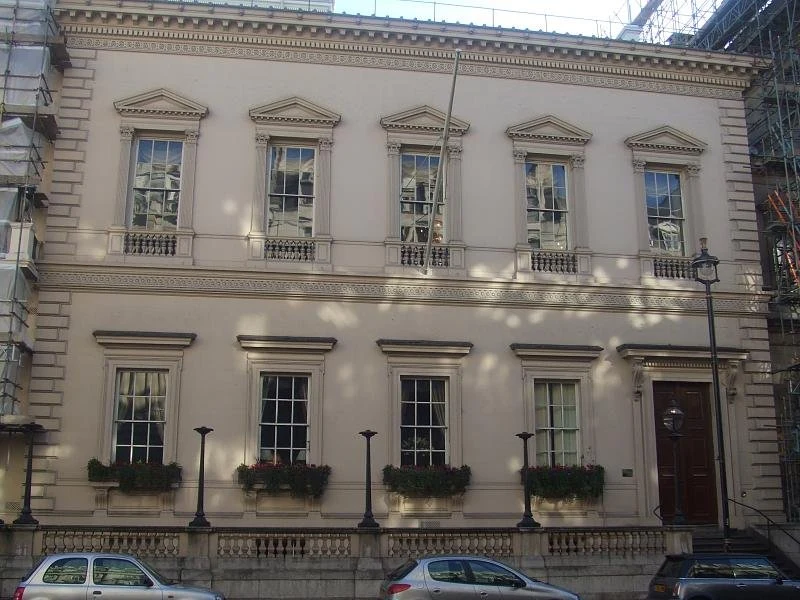
The decision belongs to a committee, sometimes after a ballot of members. The old instrument is the ballot box: a white ball for yes, a black ball for no, dropped through a hole so nobody sees which. The point of blackballing is not the vote itself but the threshold. Many clubs need only one or two black balls to sink a candidate. The Travellers Club, register No. 027 once excluded a candidate on two black balls whenever eighteen or more members voted.
The point of blackballing is not the vote itself but the threshold.
Paris is stricter on paper. At the Jockey-Club de Paris, a candidate needs five-sixths of the votes cast. At the Nouveau Cercle de l'Union, one vote against in six is enough to block admission. Even Robert's Rules of Order notes that the custom is fading. Paris, so far, has not been told.
The exceptions that prove the rule
A handful of clubs reserve a route for people the committee wishes to invite. The Athenaeum has had one since 1830: its Rule II lets the committee elect a small number of people each year "of distinguished eminence in science, literature or the arts" without the usual wait. This is not a back door. It is a front door with a very short list. Nor is it new to bend the rules for talent: in 1838 the Athenaeum added forty members in one go, the so-called Forty Thieves, and Charles Dickens and Charles Darwin were among them.
The new clubs, and the old questions
The newer commercial clubs publish their house rules online, which is a novelty in itself. At Soho House, members may propose applicants and a Membership Committee "meets quarterly and makes the final decision". Membership renewals, the house rules add, "are not automatic" and are reviewed every year by a Membership Behaviour Committee. That last clause would have surprised the founders of White's.
Annabel's was reported in 2018 to have around a thousand members and a waiting list of roughly fourteen thousand. The process is newer. The arithmetic is not.
What actually helps
Very little that can be arranged. Knowing members well enough that they would be pleased to see you in the room helps. Being the sort of person the club was founded for helps: a writer at a writers' club, an actor at an actors' club, a graduate at a graduates' club. Patience helps more than anything, since most of the waiting is not personal.
What does not help is money on its own, persistence with the membership office, or anyone who offers to get you in for a fee. An elected club does not sell places, and its members tend to notice when someone has tried to buy one.
We cannot propose anyone, and we do not take applications on anybody's behalf. The register tells you what we know about how each club admits members, where it is known. The rest is between you, your friends and a committee you will probably never meet.
Sources
- Become a member: information, City of London Club
- Membership, Oxford and Cambridge Club
- Gentlemen's club, Wikipedia
- Blackballing, Wikipedia
- University Women's Club, Wikipedia
- University Club of New York, Wikipedia
- Jockey-Club de Paris, Wikipedia
- Nouveau Cercle de l'Union, Wikipédia
- Athenaeum Club, London, Wikipedia
- Garrick Club, Wikipedia
- Annabel's, Wikipedia
- House Rules, Soho House